
For years, it was repeated that expanding the 2026 FIFA World Cup to 48 teams would be a mistake. That the level would drop, that heavy defeats would become commonplace, that many matches would lack interest, and that the tournament would lose some of its prestige. Barely a week into this World Cup, reality seems to be heading in a different direction. The problems emerging are not the ones many had anticipated.
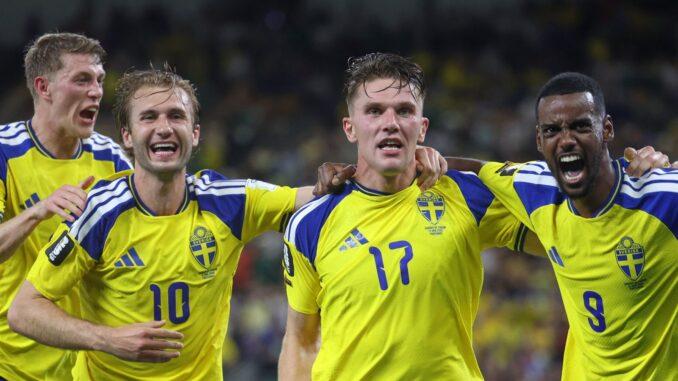
The first conclusion from the tournament is that international football is far more balanced than many believed. National teams that a few years ago would have been considered mere participants are competing on equal terms with nations of greater tradition. Spain could only draw against Cape Verde. Brazil also failed to beat Morocco (the Africans, for anyone still in doubt, are among the favourites to finish in the top ten). Portugal drew with DR Congo. Belgium did the same against Egypt. Only Germany-Curaçao (7-1), Sweden-Tunisia (5-1) and USA-Iraq (4-1) have produced particularly one-sided scorelines. The World Cup is showing that the gap between the major powers and the rest has narrowed. Football is increasingly global, there are more specialists than ever, and outstanding physical talents can now be found in every corner of the world.
World Football Has More Quality Than Many Believed
The expansion has allowed countries from Africa, Asia, Oceania and Concacaf to enjoy much greater representation. Far from appearing inferior, many of these teams are using the global stage to prove that they deserve to be part of the competition.

Perhaps the mistake is to analyse the 2026 World Cup through the lens of football from twenty years ago. Globalisation, academies, coach education and the presence of players across the world’s leading leagues have created an environment in which there are fewer and fewer clearly inferior opponents.
The Expansion Has Not Reduced Interest Either
Another common argument was that a longer World Cup would dilute fan interest inside the stadium. Yet the first attendance figures point in exactly the opposite direction. Stadiums are recording huge crowds and the tournament continues to attract enormous interest from both local supporters and those who have travelled from abroad.
Television is a different matter. It can be difficult to sit through a match such as Haiti versus Scotland if you have no particular interest in either team.
Football in Four Quarters
Paradoxically, the main controversy of this World Cup is not related to the 48-team format. It is related to the mandatory hydration breaks and the growing feeling that football is increasingly being adapted to television requirements, regardless of the sport itself and its fans. It is difficult to understand why these interruptions have become a standard feature, even in matches played in covered stadiums or under perfectly suitable weather conditions.
The match stops for three minutes halfway through each half, new advertising windows appear and the rhythm of the game becomes fragmented. Coaches are able to deliver instructions and there is now time for an additional break beyond the traditional tactical discussions. It is precisely the opposite of what makes football attractive compared with other sports.
The current mentality is that of a match divided into four quarters of twenty-two and a half minutes each. A new version of football invented by FIFA that is far from satisfying fans, even if it does make the product easier to sell at a higher price thanks to two new and highly valuable advertising windows.
Be the first to comment