
By Leonard Ratnayake in Bristol
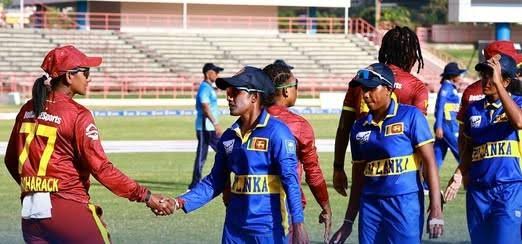
Sri Lanka’s hopes of reaching the ICC Women’s T20 World Cup semi-finals suffered a major setback after a disappointing defeat to West Indies in a must-win Group B encounter. Facing an unbeaten West Indies side, Sri Lanka knew victory was essential to keep their campaign on track, but batting failures and costly mistakes proved decisive.
After losing the toss and being asked to bat first, Sri Lanka struggled from the outset. Captain Chamari Athapaththu revealed that Sri Lanka may have chosen to bat even if they had won the toss, but the team’s performance failed to justify that approach.
The batting woes that have plagued Sri Lanka throughout the tournament resurfaced at the worst possible moment. Key batters, including Athapaththu, failed to make significant contributions, leaving the innings without momentum or meaningful partnerships.
The bright spot was Nilakshi de Silva, who looked capable of anchoring the innings after making a promising start. However, her dismissal at square leg while attempting an ambitious shot proved costly. With five overs remaining, her presence could have helped Sri Lanka push towards a more competitive total.
Instead, Sri Lanka posted a modest score of under 100, leaving their bowlers with little room for error.
To their credit, the bowlers fought hard. After an uncertain start, Sri Lanka claimed three quick wickets to drag themselves back into the contest and briefly shift the momentum.
However, they were unable to sustain the pressure. Dropped catches, unnecessary extras and erratic bowling allowed West Indies to regain control. At a stage when every run mattered, wides and misfields handed the opposition valuable scoring opportunities.
Field placements also raised questions. At times, Sri Lanka lacked the attacking intent needed to capitalize on pressure created by the bowlers, while a few tactical decisions in the field appeared questionable.
Athapaththu’s leadership came under scrutiny as well. While she contributed with the ball, stronger tactical adjustments and greater urgency may have helped Sri Lanka maintain pressure during key phases of the chase. With her batting yet to make a major impact in the tournament, Sri Lanka needed their captain to influence the contest in other ways.
Ultimately, the defeat was the result of a collective failure rather than one weak area. An inadequate total, lapses in the field and missed opportunities combined to hand the advantage to a confident West Indies side.
A Sri Lankan victory would have blown Group B wide open. Instead, they now face an uphill battle. Matches against Scotland and Ireland still offer a route to the semi-finals, but a poor net run rate leaves little margin for error. Sri Lanka must now win their remaining games and ensure the mistakes that defined this defeat are not repeated.
Be the first to comment