
By Hishan Welmilla
Who killed Lanka’s Champions Trophy dream?
SL loses historic 2027 Women’s Champions Trophy, as governance crisis claims another major tournament
Another ICC tournament has slipped through Sri Lanka’s fingers — and this time the cost could be even greater.
Sri Lanka has lost the hosting rights for the inaugural ICC Women’s Champions Trophy in 2027, delivering another devastating blow to the country’s international cricket standing and raising fresh questions over the continuing governance crisis surrounding Sri Lanka Cricket.
What should have been a historic moment for Sri Lankan women’s cricket has instead become another chapter in a deeply embarrassing administrative saga.
The inaugural Women’s Champions Trophy was scheduled to be staged in Sri Lanka from 14-28 February next year.
It would have brought some of the world’s leading women cricketers to the island and provided Sri Lanka with a rare opportunity to place women’s cricket at the centre of a major global sporting event.
Now, the tournament will be staged elsewhere. And once again, the question being asked internationally is not whether Sri Lanka has the facilities, the fans or the cricketing tradition to host an ICC event. It is whether Sri Lanka can get its cricket administration in order.
From suspension to another lost tournament
The warning signs appeared in 2023. Sri Lanka Cricket was suspended by the ICC following concerns over government interference in the administration of the sport.
The crisis came after months of bitter confrontation between SLC officials and the government, with allegations of mismanagement and corruption adding fuel to an already explosive situation. The suspension had immediate consequences.
Sri Lanka lost the hosting rights for the 2024 ICC Men’s Under-19 World Cup, which was moved to South Africa.
The hope was that the crisis would eventually be resolved and Sri Lanka would rebuild its relationship with the ICC.
Instead, the country has now lost another major tournament. The latest development suggests that the fundamental dispute over cricket governance remains unresolved.
The ICC has consistently insisted that national cricket boards must be independently administered and protected from government interference.
Sri Lanka, meanwhile, has continued to wrestle with competing interests over how the game should be governed.
The result is a situation in which everybody appears to be fighting for control — while Sri Lankan cricket itself is losing.
The Price of administrative failure
The loss is not merely symbolic. Hosting an ICC tournament can generate enormous economic and promotional benefits.
Hotels, restaurants, airlines, transport providers, retailers and tourism operators all stand to benefit from an influx of international visitors.
There is also the value of worldwide television exposure. For a country attempting to strengthen its international tourism image, an ICC tournament can provide weeks of global visibility that no conventional advertising campaign can easily replicate.
That opportunity has now disappeared. More importantly, Sri Lanka’s reputation as a dependable host of international cricket has taken another hit.
Women’s cricket the biggest loser
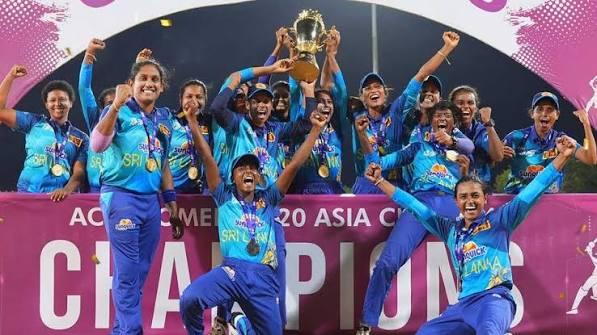
Perhaps the most painful aspect of the decision is its impact on women’s cricket. Sri Lanka’s women have made significant strides in recent years and have demonstrated that they can compete with the leading teams in international cricket.
The Champions Trophy would have given a new generation of Sri Lankan women cricketers the chance to play a major global tournament before home crowds.
Instead of celebrating that milestone, Sri Lankan cricket is once again discussing administration, politics and governance. That should concern everyone involved in the game.
How many more tournaments?
The loss of the Under-19 World Cup was supposed to be a warning. The loss of the Women’s Champions Trophy should be a wake-up call.
Sri Lanka cannot continue to boast about its cricketing heritage, while repeatedly losing the right to host major international tournaments because of disputes away from the playing field.
The country has produced world champions, legendary cricketers and generations of passionate supporters.
But history alone does not guarantee international confidence. The ICC will judge Sri Lanka by the stability and independence of its cricket administration.
The responsibility now rests with those governing the game and those influencing its administration to find a lasting solution.
Sri Lanka does not need another temporary arrangement. It needs a cricket administration that is credible, independent, transparent and stable. Until that happens, the danger is clear.
The next ICC tournament could be lost before the first ball is even bowled.
And the question will remain: How many more opportunities must Sri Lanka lose before cricket finally comes first?
Be the first to comment