
COLOMBO: Sri Lanka has suffered another major international cricket embarrassment after the International Cricket Council (ICC) stripped the country of the hosting rights for the inaugural Women’s Champions Trophy in 2027, exposing once again the heavy price being paid for the continuing crisis surrounding the administration of Sri Lanka Cricket.
The tournament, which was scheduled to be played in Sri Lanka from February 14 to 28, 2027, was expected to be a landmark event for women’s cricket and an opportunity for the country to showcase its ability to stage another major ICC competition.
Instead, the hosting rights have been withdrawn, with the ICC now expected to select an alternative venue.
For Sri Lanka, this is far more than the loss of another international tournament. It is a damaging indictment of the country’s inability to resolve its cricket governance crisis and restore the confidence of the world governing body.
The ICC’s position has remained consistent: cricket boards must be independently administered and must not be subjected to government interference.
That principle has been at the heart of the dispute between the ICC and Sri Lanka Cricket since 2023, when the international governing body suspended SLC following concerns over political interference in the running of the game.
Although the suspension was eventually lifted, the underlying dispute was never fully resolved.
The latest crisis centres on the government-appointed Transformation Committee overseeing Sri Lanka Cricket. The ICC has objected to government involvement in the administration of the national board and has maintained pressure for cricket to return to an independently elected administration.
The consequences are now becoming increasingly painful.
Sri Lanka previously lost the right to host the 2024 ICC Men’s Under-19 World Cup, which was transferred to South Africa following the 2023 suspension. Now, barely three years later, another ICC tournament has been taken away.
The pattern is impossible to ignore.
Sri Lanka is losing major cricket events not because of inadequate stadiums, lack of cricketing history or a shortage of passionate supporters — but because of a governance dispute that those responsible have failed to settle.
The financial consequences are also significant. An ICC tournament brings international visitors, hotel bookings, transport income, sponsorship, ticket revenue and extensive global media exposure. Losing such an event represents millions of rupees in missed economic opportunities.
But perhaps the greatest casualty is Sri Lanka’s reputation.
The country has long been regarded as one of cricket’s most passionate nations and has successfully staged major international tournaments. Yet repeated disputes over the administration of the sport are threatening to undermine that reputation.
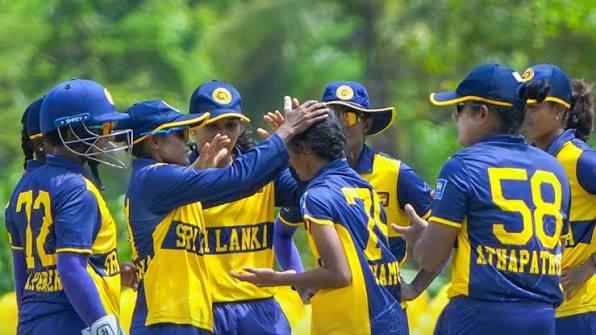
There is also a sporting concern. The Women’s Champions Trophy was intended to provide Sri Lanka’s women cricketers with the opportunity to compete on home soil against the world’s best. The loss of hosting rights could also create uncertainty over Sri Lanka’s participation, depending on the final qualification arrangements and the identity of the replacement host.
For Sri Lanka’s rapidly developing women’s game, that would be another bitter blow.
The question now is not simply who will host the 2027 Champions Trophy?
The bigger question is: How many more ICC tournaments can Sri Lanka afford to lose before those responsible for the governance crisis finally put the interests of cricket ahead of institutional and political battles?
Sri Lanka Cricket has a proud history, world-class players and supporters who have remained fiercely loyal to the game.
But international cricket is governed by rules.
If Sri Lanka wants to regain its place as a trusted host of major ICC events, the country must demonstrate that its cricket administration is independent, stable and capable of operating without political interference.
Until then, the trophies may continue to be played elsewhere — and Sri Lanka’s cricketing reputation will continue to pay the price.
Be the first to comment